Policy
10th Anniversary of CHEBNA and a Vision for the Future of Student Basic Needs
February 17, 2026
By Parshan Khosravi & Jake Silva
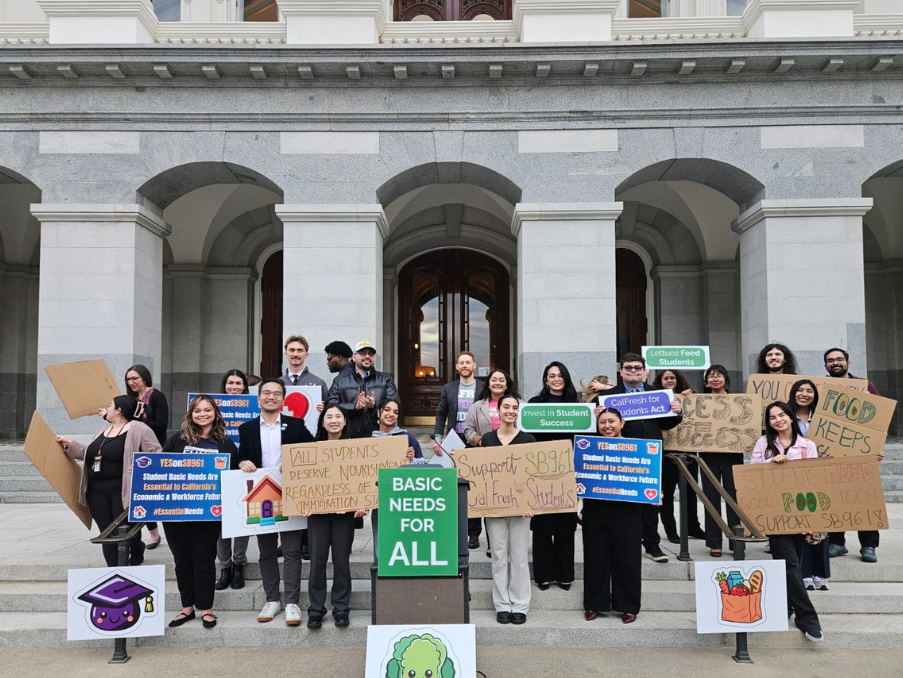
Last week marked the 10th anniversary of the California Higher Education Basic Needs Alliance (CHEBNA), held in Sacramento and hosted by the California Community Colleges. The event brought together over 800 advocates, policymakers, and campus leaders from across the state who are committed to supporting and advancing basic needs in higher education. This milestone gathering is especially significant given the current challenges facing students' basic needs, not only in California but nationwide.
Highlights of the CHEBNA Week for uAspire
uAspire partnered with Center for Healthy Communities, NextGen Policy, Young Invincibles, California Competes, the Coalition of California Welfare Rights Organizations, TICAS, SoCal CAN, the Alliance for a Better Community, and the UC Student Association to host a joint press conference and advocacy day. The joint press conference supported our sponsored legislation SB 961 (Ashby). The Basic Needs Action Day at the Legislature brought together advocates and constituents who met with more than 30 legislative offices to advance student-centered priorities and actionable policy goals.
uAspire gave public comment at the Senate budget hearing on the impacts of federal Medicaid and SNAP cuts passed in the 2026 H.R. 1 (The Big Beautiful Bill Act), which Congress passed through reconciliation in 2025.
During CHEBNA, uAspire also presented two sessions at the CHEBNA Summit focused on elevating basic needs as a policy priority in the legislature and identifying shared policy priorities.
What Are Basic Needs Advocates Calling For?
A central theme of discussion at this year’s CHEBNA was the impending federal policy actions and their expected negative impacts on the student basic needs ecosystem. H.R. 1 will cut $1 trillion in federal social safety net programs over 10 years, which will grow dramatically over time and reduce spending to states. The CHEBNA Summit offered state and federal policy breakout sessions for participants to discuss the implications of upcoming policies and collaborate on solutions and best practices to prepare for and support student basic needs.
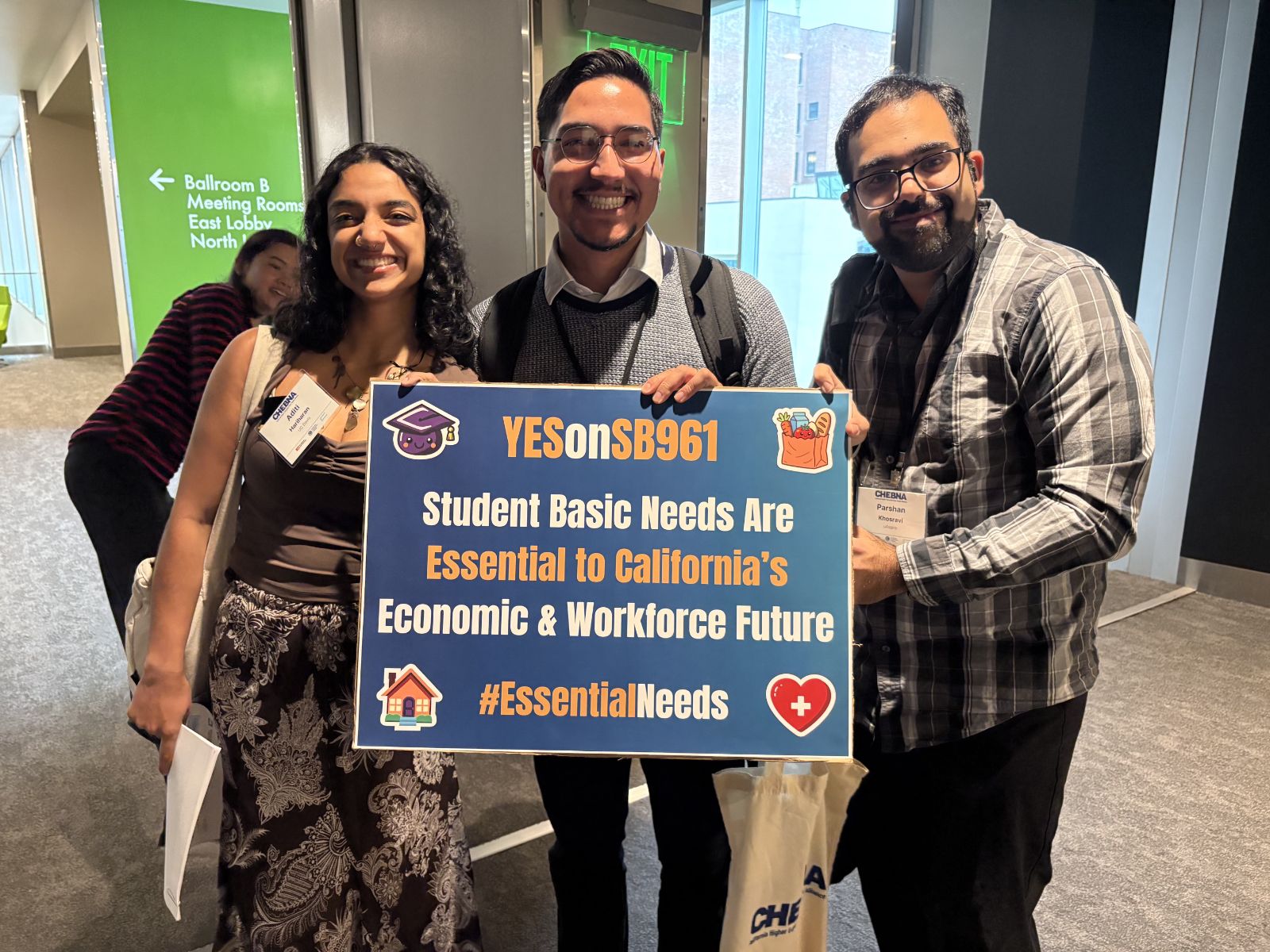
For uAspire and many other advocates, this year also presents a critical opportunity to advance bills such as SB 961 (Ashby), which would increase student eligibility for CalFresh by streamlining the process for establishing higher education programs for the purpose of employability training.
In addition, uAspire and other advocates elevated a number of policy priorities aimed at addressing housing insecurity, supporting parenting students, and maximizing CalFresh enrollment. California leaves $3 billion on the table annually in federal funds because only 25% of eligible college students are enrolled. Every dollar invested in CalFresh translates into $1.79 in economic activity. If every eligible student were enrolled in CalFresh, the $3 billion California could recoup annually would translate into $5.4 billion in economic impact, which could then be used to strengthen basic needs benefits and resources for students.
What’s Next?
The basic needs ecosystem has grown substantially since CHEBNA was formed 10 years ago. Much of this growth has occurred under Governor Newsom's tenure and alongside the expanding presence of basic needs advocates in the legislature and leadership at the state and federal levels. At the same time, the student basic needs ecosystem is facing several existential threats, including H.R. 1 cuts at the federal level, state budget challenges, and growing demand for basic needs resources. This leaves providers with more limited capacity amid rising need.
This year’s CHEBNA offered advocates a vision to develop solutions, establish future priorities, and commit to measurable progress for the next decade of student basic needs work. After a successful week of stakeholder engagement, policy discussions, and thought partnership, uAspire looks forward to continuing our advocacy around student basic needs in the upcoming legislative cycle in California.